
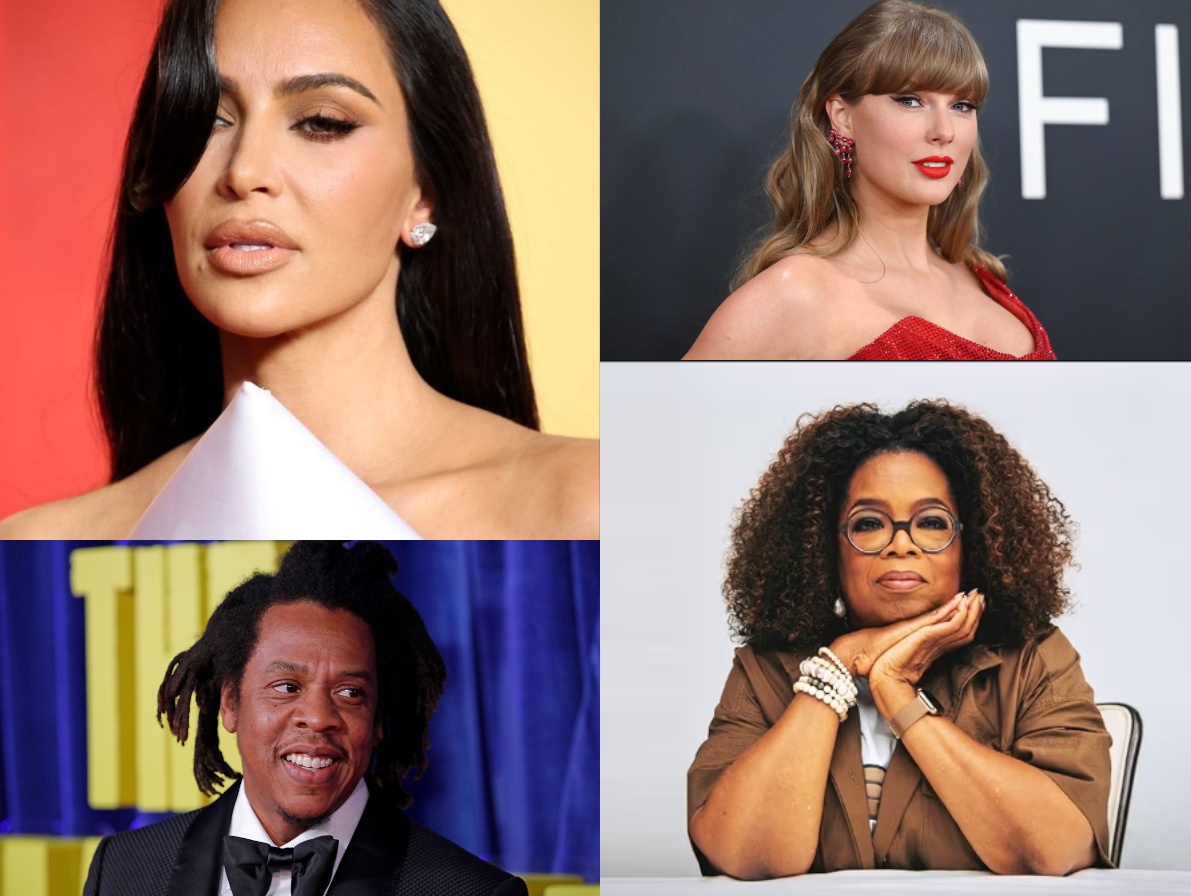
In 2026, the intersection of fame and finance has reached new heights. A select group of entertainers, athletes, and media personalities have transformed their public recognition into substantial fortunes, often exceeding the billion-dollar mark through a combination of creative output, strategic ownership, and diversified investments. According to Forbes’ World’s Celebrity Billionaires list published in March 2026, 22 such figures now qualify as billionaires, with a collective net worth of $48.1 billion an increase from the prior year. This growth reflects a broader shift in the industry: successful celebrities increasingly act as owners and entrepreneurs rather than solely as performers or athletes.
The ranking draws primarily from Forbes data, cross-referenced with reports from sources including Hype beast, Indian Express, Prestige Online, and other financial analyses. It focuses exclusively on individuals who first achieved prominence through entertainment, sports, music, or media, before building significant wealth via business ventures, brand ownership, catalog sales, endorsements, and investments. Traditional business tycoons who later entered entertainment are excluded.
This list highlights how backend participation deals, intellectual property control, consumer product lines, and timely exits have become central to wealth accumulation in the celebrity space. Here is the Top 10 for 2026, ranked by estimated net worth as of early 2026.
List Of The Top 10 Richest Celebrities In The World 2026
1. Steven Spielberg – $7.1 Billion
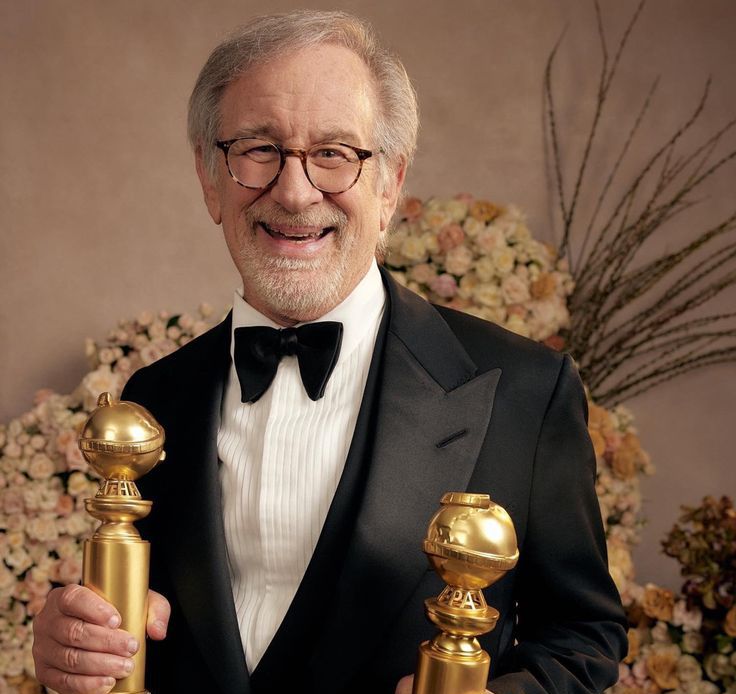
Steven Spielberg remains the wealthiest celebrity on the 2026 list, holding the top spot for the second year in succession. At 79, the American director, producer, and studio co-founder has amassed a fortune through a combination of record-breaking box office success and savvy long-term business arrangements.
Spielberg broke through in the mid-1970s with Jaws, a film that redefined the summer blockbuster and demonstrated the potential for wide theatrical releases paired with intense marketing. He followed it with landmark works including Close Encounters of the Third Kind, E.T. the Extra-Terrestrial, the Indiana Jones series, Jurassic Park, Schindler’s List, and Saving Private Ryan. These projects not only achieved massive commercial and critical acclaim but also generated ongoing revenue through sequels, re-releases, merchandising, and theme park integrations.
A cornerstone of Spielberg’s wealth lies in his backend participation deals. He has frequently negotiated “first-dollar gross” points, allowing him to earn a percentage of revenue before studios recoup costs. His long-standing relationship with Universal Studios provides another steady income source: he receives a share of ticket sales and operations for attractions based on Jaws, Jurassic Park, and Indiana Jones. These arrangements create reliable cash flow that persists regardless of new project cycles.
In parallel, Spielberg co-founded DreamWorks SKG in 1994 alongside Jeffrey Katzenberg and David Geffen. The studio produced hits across animation and live-action, including the Shrek franchise and American Beauty. Although DreamWorks Animation was later sold, Spielberg retained significant influence through Amblin Entertainment, his production banner responsible for many of his most enduring films.
As of 2026, Spielberg continues to develop new work, including the sci-fi project Disclosure Day slated for release later in the year. His approach emphasizes creative control paired with ownership stakes, a model that has sustained relevance across five decades in a volatile industry. He has also engaged in philanthropy, supporting film preservation, education, and causes related to Jewish history and Holocaust remembrance. Observers note that his ability to adapt while protecting core interests has allowed his net worth to remain at the forefront even as younger creators rise.
2. George Lucas – $5.2 Billion
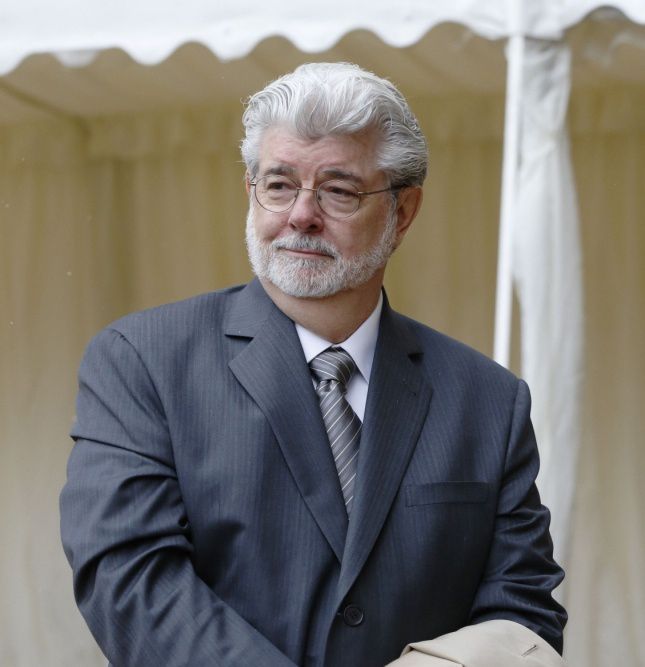
George Lucas ranks second with an estimated net worth of $5.2 billion. Now 81, the filmmaker and entrepreneur fundamentally altered popular culture through the creation of expansive fictional universes, most notably Star Wars and contributions to Indiana Jones.
Lucas’s pivotal decision came during the production of the original Star Wars in 1977. He accepted a lower directing fee in exchange for merchandising and sequel rights assets that studios at the time viewed as low-value. That choice proved extraordinarily prescient. Star Wars became a cultural phenomenon, spawning sequels, prequels, spin-off series, books, games, and merchandise lines that generated billions over decades.
The franchise’s merchandising model, which Lucas helped pioneer, turned films into lifestyle brands. Toys, apparel, video games, and collectibles created revenue streams that outlasted theatrical runs. Lucas also founded Industrial Light & Magic (ILM) and Skywalker Sound, advancing visual effects and audio technologies that benefited the entire industry.
In 2012, Lucas sold Lucasfilm to Disney for approximately $4 billion in cash and stock. The deal allowed him to step back from operational responsibilities while participating in the franchise’s continued expansion under new management, including new theatrical releases, Disney+ series, and theme park attractions. By retaining some involvement and benefiting from the sale proceeds, Lucas secured long-term financial stability.
In recent years, he has focused on philanthropy and cultural initiatives. The Lucas Museum of Narrative Art, expected to open in Los Angeles in 2026, reflects his interest in storytelling across mediums. He has also supported educational programs and donated to various causes.
The compounding value of his early decisions illustrates how strategic patience in rights management can eclipse immediate earnings in entertainment.
3. Michael Jordan – $4.3 Billion
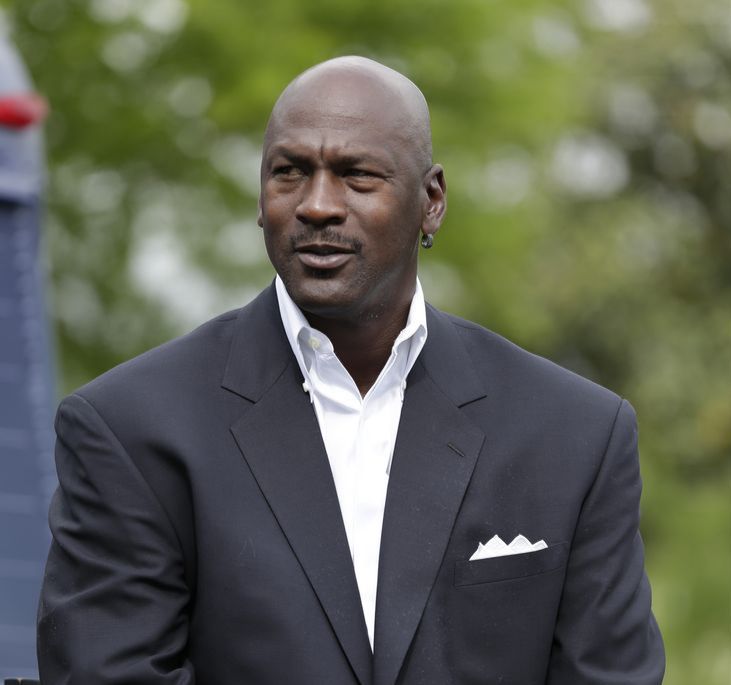
Michael Jordan holds the third position with a net worth of $4.3 billion as of 2026. The basketball icon earned roughly $90 million in salary across his NBA career, yet the bulk of his fortune developed afterward through branding, endorsements, and investments.
Jordan’s on-court dominance with the Chicago Bulls in the 1990s elevated him to global superstardom. His partnership with Nike, launched in 1985, created the Air Jordan line. What began as a signature shoe evolved into a multi-billion-dollar lifestyle brand that generates substantial royalties for Jordan annually. Endorsements with Gatorade, Hanes, and other major companies added further layers of income, reportedly exceeding $2 billion in pretax earnings over time.
Beyond endorsements, Jordan ventured into sports ownership. He became a minority owner and later majority stakeholder in the Charlotte Hornets (formerly Bobcats). In 2023, he sold the majority stake at a valuation near $3 billion, though he kept a minority interest. This transaction highlighted his timing in asset management.
Jordan has also invested in restaurants, automotive dealerships, and other enterprises. His approach emphasizes selective partnerships that align with his personal brand of excellence and competitiveness. In 2026, he remains an influential figure in basketball and business, occasionally appearing in advisory or ambassadorial roles.
His trajectory from athlete to billionaire highlights a key shift in sports: leveraging personal image into ownership opportunities. While many athletes earn significantly during playing years, Jordan showed how post-career branding and equity stakes can multiply wealth dramatically. His story continues to inspire current and future athletes to think beyond contracts toward equity and long-term brand building.
4. Vincent McMahon – $3.6 Billion
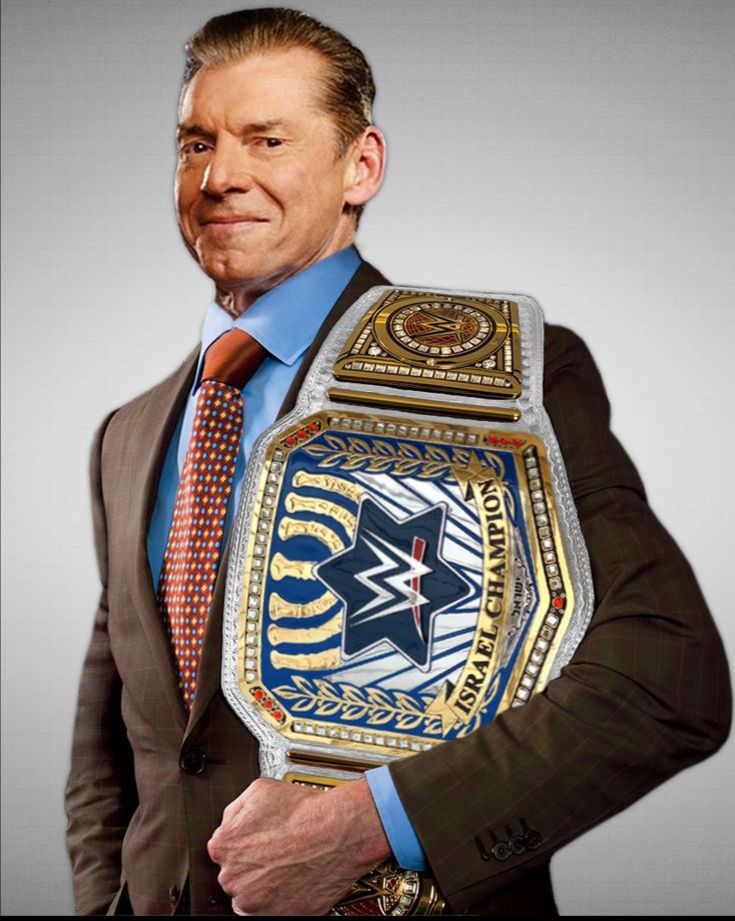
Vincent McMahon, often referred to as Vince McMahon, built a $3.6 billion fortune by professionalizing and globalizing professional wrestling. At 80, the longtime WWE figure transformed a regional pastime into a worldwide entertainment conglomerate.
McMahon took over his father’s promotion in the 1980s and expanded it aggressively. He shifted wrestling from territorial fiefdoms to a national, then international, spectacle by signing top talent, creating compelling storylines, and leveraging television syndication. Key moves included taking the company public in 1999 and pioneering pay-per-view events like WrestleMania, which became annual cultural events.
Under his leadership, WWE developed a robust merchandise, licensing, and media portfolio. The company produced films, launched its own network, and signed lucrative television deals. A landmark development came with the merger of WWE and UFC into TKO Group Holdings, a transaction that further enhanced valuations and provided McMahon with significant proceeds.
McMahon stepped back from day-to-day operations amid various transitions, but his foundational role in building the brand underpins his wealth. His business philosophy centered on spectacle, consistent content delivery, and expanding audience reach through multiple platforms.
The WWE model under McMahon demonstrated the monetization potential of live events, character-driven narratives, and fan engagement. His success illustrates how niche entertainment can scale into mainstream empires when paired with aggressive distribution and branding strategies. Even in retirement phases, the infrastructure he created continues to generate value.
5. Oprah Winfrey – $3.2 Billion
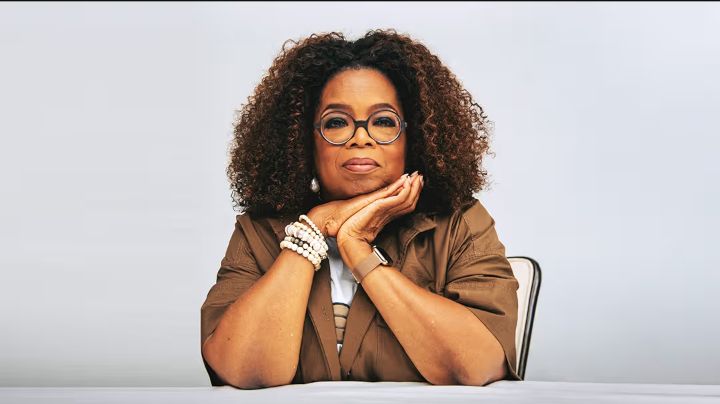
Oprah Winfrey’s $3.2 billion net worth stems from her pioneering work in daytime television, media production, and strategic investments. At 72, she stands as one of the most influential self made figures in entertainment.
The Oprah Winfrey Show, which aired for 25 seasons, became a cultural touchstone and generated substantial syndication revenue. Winfrey retained ownership through Harpo Productions, allowing her to control content and profits. The show’s success opened doors to film production, magazine publishing (O, The Oprah Magazine), and book clubs that amplified her reach.
Winfrey has produced acclaimed projects, including films like The Color Purple and Selma. She has invested heavily in real estate and other assets, maintaining a diversified portfolio. Her philanthropic efforts, particularly in education and empowerment initiatives, reflect a broader commitment beyond wealth accumulation.
Her career path shows the power of authentic personal branding and ownership. By building a media empire around her voice and vision, Winfrey created multiple revenue channels that sustained growth long after her flagship show ended. She exemplifies how media personalities can evolve into multifaceted business leaders.
6. Jay-Z – $2.8 Billion
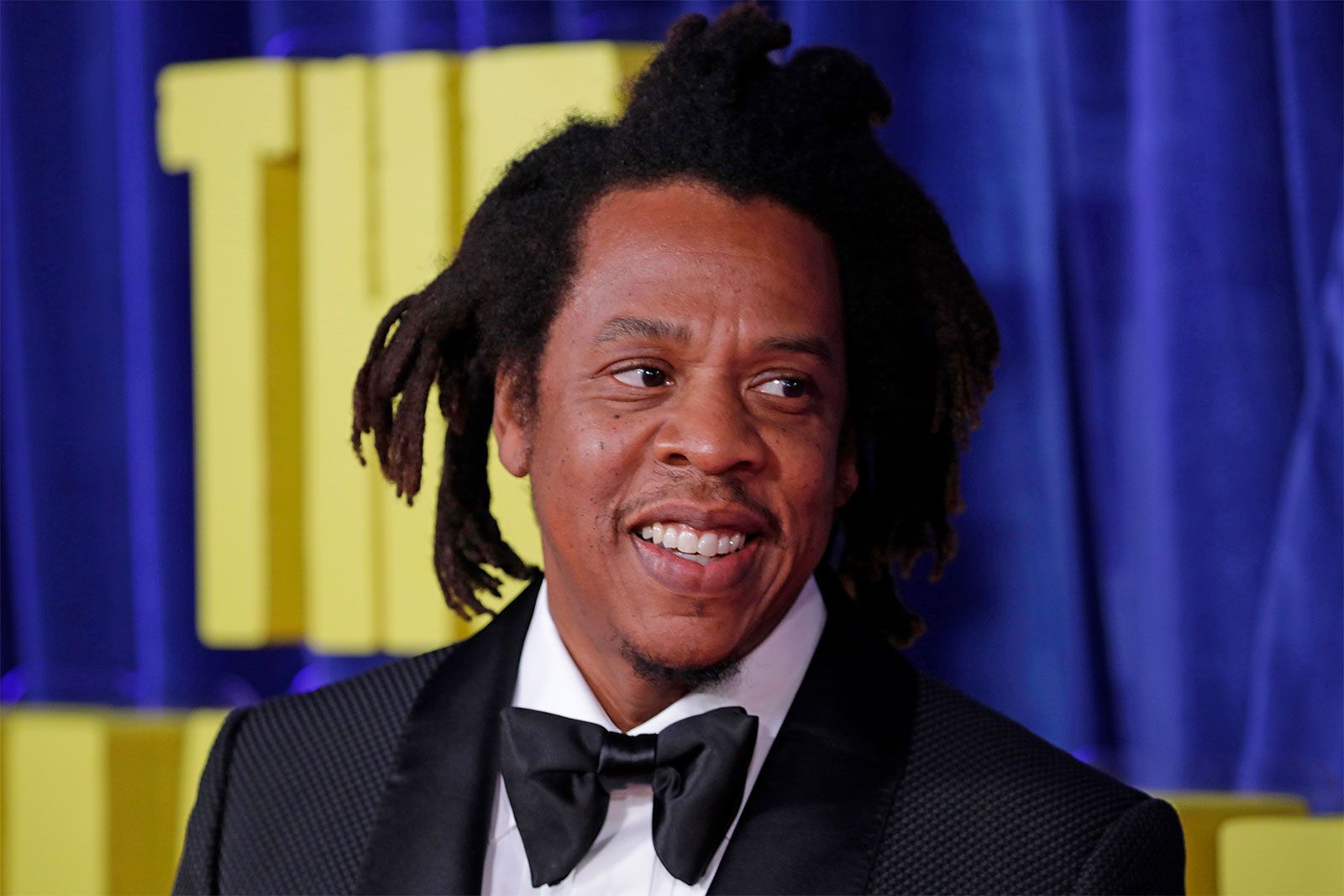
Shawn “Jay-Z” Carter, known as Jay-Z, Reached $2.8 billion through music, investments, and brand development. At 56, the rapper and entrepreneur became hiphop’s first self-made billionaire and has continued expanding his portfolio.
Jay-Z’s music career, spanning albums like Reasonable Doubt to 4:44, established his artistic credentials and generated catalog value. He co-founded Roc A Fella Records and later Roc Nation, extending into management, sports agency, and entertainment.
Business ventures include Armand de Brignac champagne (partially sold to LVMH), D’Usse cognac, and stakes in companies across tech, fashion, and cannabis. His music catalog and art collection have also appreciated significantly. Jay-Z has emphasized ownership and equity in deals, moving beyond artists for hire models.
His evolution highlights strategic diversification: using cultural capital to enter high-margin industries. Jay-Z’s approach offers lessons in leveraging fame for equity positions and long-term asset growth.
7. Taylor Swift – $2 Billion
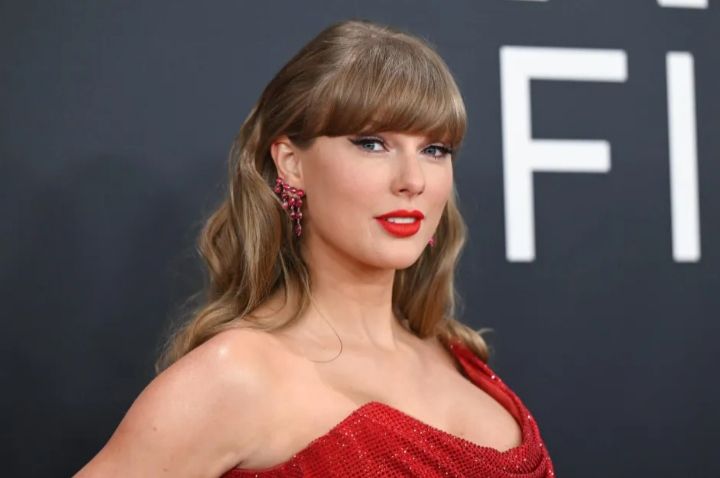
Taylor Swift’s $2 billion fortune in 2026 is driven almost entirely by her music career. The pop superstar has achieved rare success through record-breaking tours, album sales, streaming, and catalog control.
Swift’s Eras Tour became one of the highest-grossing concert runs ever, demonstrating her drawing power and strategic staging. She has re-recorded earlier albums (“Taylor’s Versions”) to regain ownership of her masters, a move that strengthened her negotiating position and fan engagement.
Her wealth includes real estate holdings and consistent royalty streams. Swift’s business decisions emphasize creative control and direct fan relationships, bypassing some traditional industry intermediaries.
Her rise illustrates the modern music economy: touring, catalog ownership, and merchandise can generate billionaire status without relying solely on label advances. Swift represents a new generation of artists who treat their work as long term intellectual property.
8. Kim Kardashian – $1.9 Billion
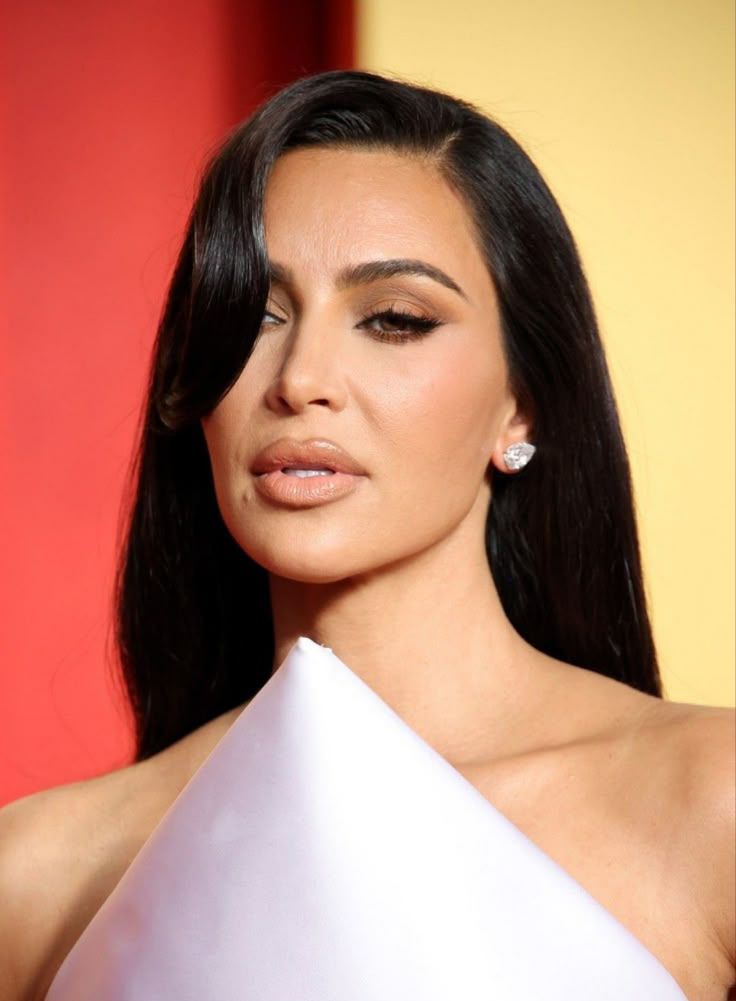
Kim Kardashian has built a $1.9 billion net worth from reality television, fashion, and beauty ventures. Her family’s show Keeping Up with the Kardashians launched a multimedia brand that evolved into multiple businesses.
The flagship success is Skims, her shapewear and apparel line, which achieved unicorn status through rapid growth and high valuations. Kardashian has also developed fragrances, cosmetics, and other consumer products while maintaining a strong social media presence that drives direct-to-consumer sales.
Her approach combines personal branding with product development and scaling. Kardashian’s trajectory shows how visibility can convert into tangible equity when paired with operational execution in fashion and wellness.
9. Peter Jackson – $1.9 Billion
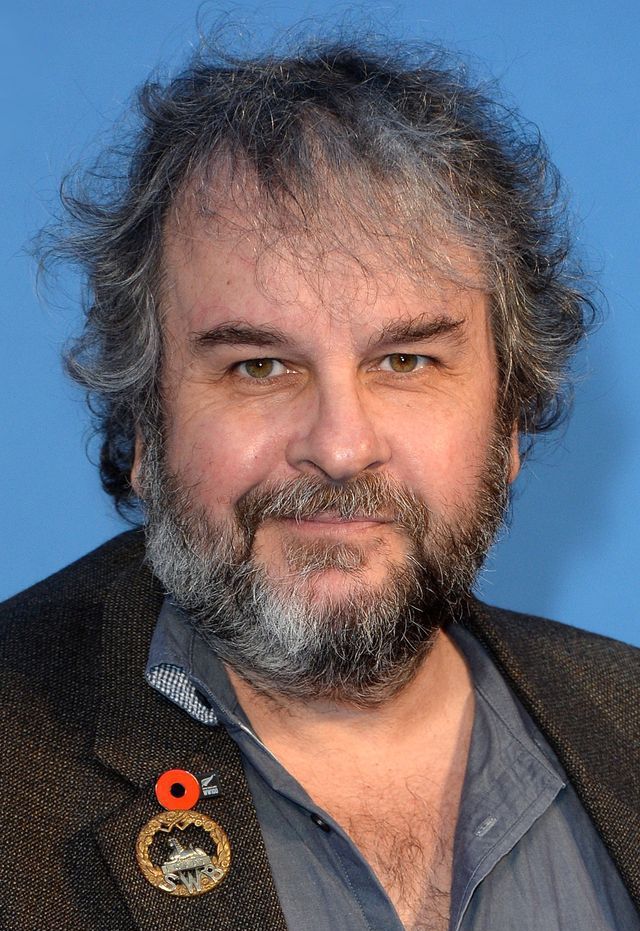
Peter Jackson, the New Zealand director behind The Lord of the Rings and The Hobbit trilogies, holds $1.9 billion. His fortune grew substantially after selling his visual effects company Weta FX.
The Lord of the Rings films revolutionized epic filmmaking and generated enormous box office, home video, and licensing revenue. Jackson’s attention to detail and technological innovation set new standards. The subsequent Hobbit trilogy extended the franchise’s commercial life.
Beyond directing, his work in effects and production technology created additional value. Jackson continues selective projects, including the new Lord of the Rings developments.
His success demonstrates the rewards of mastering both creative and technical aspects of filmmaking, then capitalizing on company exits at peak valuation.
10. Magic Johnson – $1.6 Billion
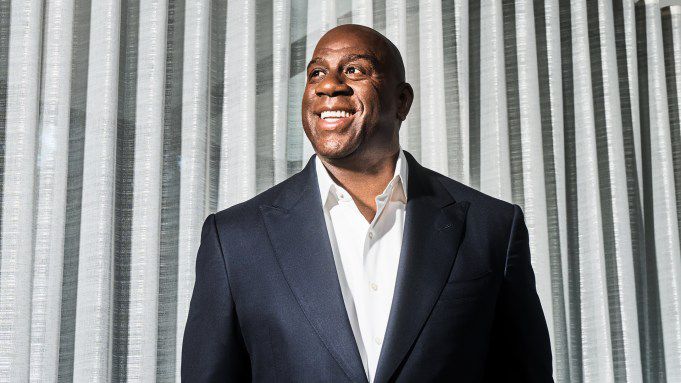 Earvin “Magic” Johnson ranks tenth with $1.6 billion. The NBA Hall of Famer transitioned from basketball stardom to a diversified investment career.
Johnson’s playing legacy with the Los Angeles Lakers provided initial fame. Post-retirement, he focused on business, acquiring stakes in sports teams (including minority positions in the Dodgers and Commanders), real estate, and financial services such as Equi trust ML . He has also invested in entertainment and consumer brands.
His strategy emphasizes community.focused investments and partnerships with established firms. Johnson’s post athletic success underscores the potential for athletes to build wealth through equity ownership and portfolio management rather than endorsements alone.